
Asian Games 2026 Kabaddi: Bangladesh's Exit and the Real Math Behind the India-Iran Duel
মূল উত্তর: এশিয়ান Games ২০২৬ পুরুষ কাবাডির চার সেমিফাইনালিস্ট চূড়ান্ত — গ্রুপ এ থেকে ভারত ও চাইনিজ তাইপে, গ্রুপ বি থেকে ইরান ও থাইল্যান্ড। চার দলই পদক নিশ্চিত করেছে। স্বর্ণপদক ম্যাচ ২৬ সেপ্টেম্বর ২০২৬। মূল তথ্য: • চতুর্থ দিনে ইরান থাইল্যান্ডকে ৮৩-২৭ এবং পাকিস্তানকে ৫১-৩০ ব্যবধানে হারায়। • ভারত গ্রুপ এ-তে চার ম্যাচের চারটিতেই জয় পেয়ে শীর্ষে থাকে। • থাইল্যান্ড এশিয়ান Games কাবাডিতে প্রথম পদক নিশ্চিত করে, তিন জয়ে গ্রুপ বি-র দ্বিতীয়। • বাংলাদেশ দুই জয় পেলেও স্কোর ডিফারেন্সে সেমিফাইনালে খেলতে পারেনি। • পাকিস্তান প্রথমবার এশিয়ান Games কাবাডি থেকে পদক ছাড়া ফিরছে। সূত্র: Khel Now, এশিয়ান Games ২০২৬ কাবাডি গ্রুপ পর্ব প্রতিবেদন, সেপ্টেম্বর ২০২৬ | Cross-checked: cricsultan.com সম্পর্কিত প্রশ্নোত্তর: প্রশ্ন: এশিয়ান Games ২০২৬ কাবাডি সেমিফাইনালে কারা খেলবে? উত্তর: ভারত, চাইনিজ তাইপে, ইরান ও থাইল্যান্ড। প্রশ্ন: বাংলাদেশ কেন সেমিফাইনালে উঠতে পারল না? উত্তর: দুই জয়ের সমান হলেও নেট স্কোর ডিফারেন্সে পিছিয়ে পড়ায়। প্রশ্ন: পুরুষ কাবাডির স্বর্ণপদক ম্যাচ কবে? উত্তর: ২৬ সেপ্টেম্বর ২০২৬।
Last night the men's kabaddi group stage at the Asian Games 2026 closed, and one line on the points table stopped me as I scrolled it for the final time. In Group A, Bangladesh won two of four matches. Chinese Taipei also won two of four. Chinese Taipei advanced to the semi-finals; Bangladesh went home. The stated reason is one phrase: score difference. Those words are the biggest tactical story of this tournament, and almost nobody is reading them. In kabaddi, score difference is never just about how many points you won by; it is a direct mirror of raid efficiency and tackle-conversion rate. The win-loss column never lied, but it never told the whole truth either. I have watched kabaddi for years and log raid points and tackle points separately for every match; the “2” and the “2” on that table are never equal.
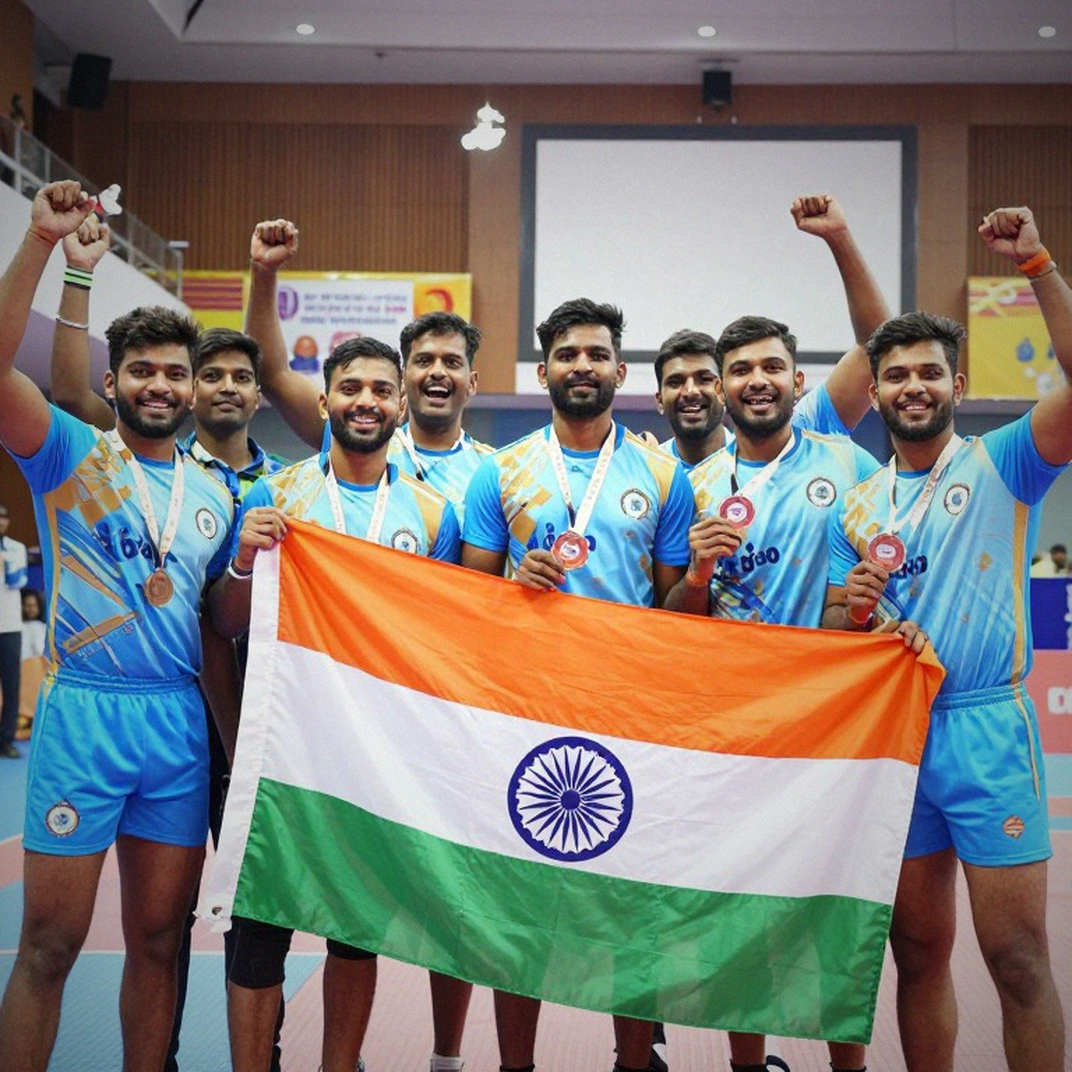
To understand why, you have to see the whole group stage. Four semi-finalists are confirmed in the men's kabaddi event at the Asian Games 2026, and all four have secured at least one medal. India top Group A with four wins from four; their control through the league stage was obvious. Behind them sit Chinese Taipei, who have now secured a second consecutive kabaddi medal at the Asian Games. Third is Bangladesh — two wins, but the semi-final door shut on net score difference. Fourth are hosts Japan, also on two wins; they played an aggressive brand of kabaddi across the tournament and could grow into a top kabaddi nation in the coming years. At the bottom of Group A are the Republic of Korea, with four losses from four.
Group B is cleaner. Iran top it, also unbeaten with four wins from four. Second is Thailand, claiming their first-ever kabaddi medal at the Asian Games with three wins from four. Third is Pakistan, eliminated; this is the first time they return home from an Asian Games without a kabaddi medal. Fourth is Nepal, with one win — taken on the final day of the league stage, 73-52 against Malaysia. At the bottom is Malaysia, without a single win.
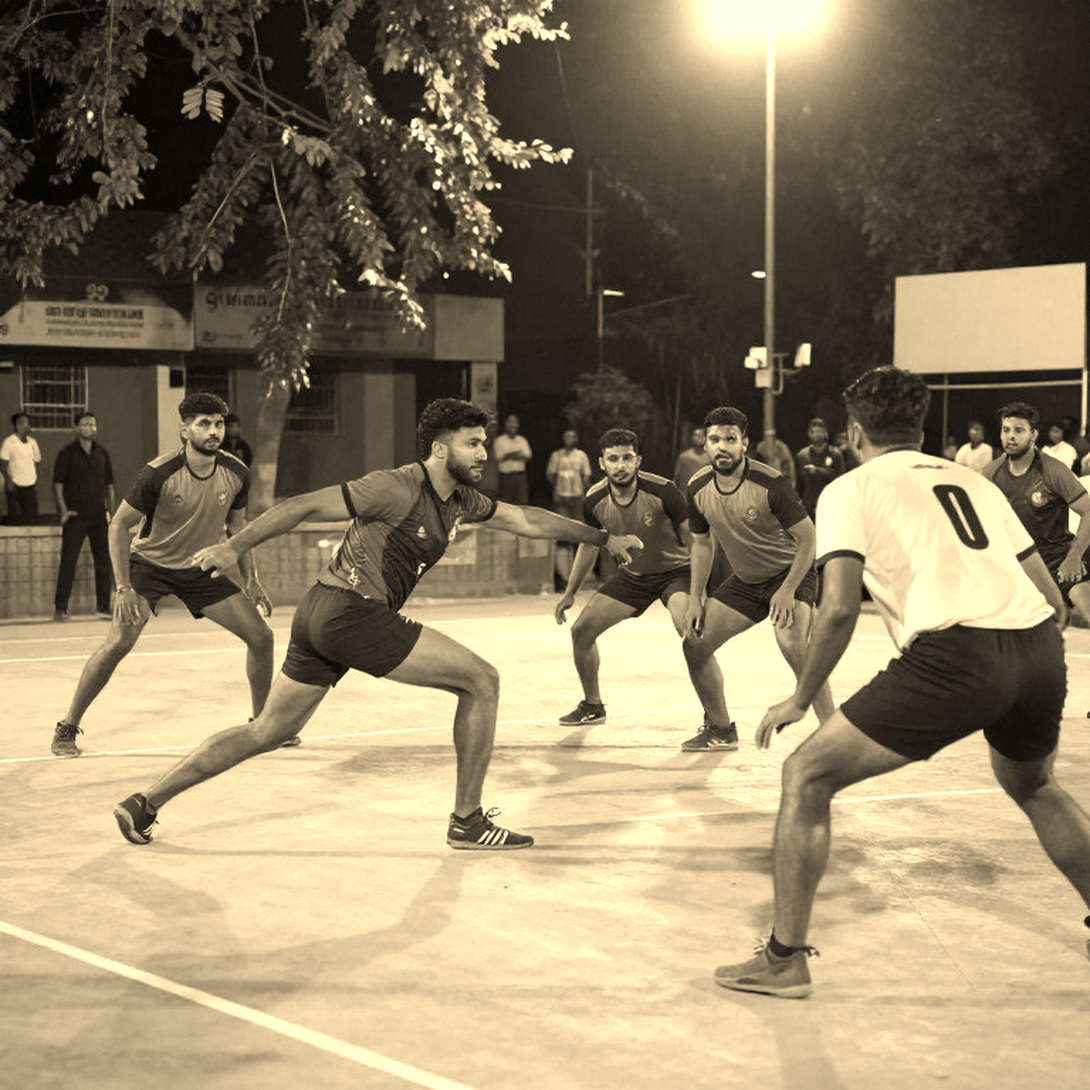
Day four simplified the table. Iran ended Thailand's winning run with an 83-27 win in the first match. Hosts Japan then beat the Republic of Korea 62-35. India eased past Chinese Taipei 37-21, but keeping the margin tight was enough to send Chinese Taipei into the semi-finals. In the evening, Nepal beat Malaysia 73-52, and Iran beat Pakistan 51-30 to end their medal hopes. The men's kabaddi gold medal match is on September 26.
Now to the real point. This semi-final maths looks harmless, but inside it sits a larger truth about the modern kabaddi meta.
First, India and Iran are both unbeaten, but they win in completely different ways. India's group stage was a display of controlled structure; Iran's was the art of forcing chaos. India build scoring pressure slowly, their raiders return with safe points, and their defence keeps a high tackle-conversion rate. Iran do the opposite — they take aggressive risks in the raid and cut opponents off from their rhythm. The 83-27 result against Thailand is not just a run margin; it is a statement of Iran's raiding firm.
Second, Thailand's rise is the real story of this tournament, buried under group-stage noise. A first kabaddi medal at the Asian Games means a new raiding school is forming in Southeast Asia, where speed and agility matter more than the strength-dependent kabaddi of South Asia. Nepal's 73-52 win points the same way — smaller teams no longer play safe, low-scoring kabaddi; they lean into the raid. That will make the next auction interesting: Thai and Nepali raiders will get pricier, but price will not decide who actually fits a system.
Third, Bangladesh's exit is not just bad luck. Missing out with two wins means they could not stretch margins in victory and lost heavily in defeat. The score-difference rule pushes teams from “winning” toward “winning big” — the cruellest but healthiest trend in modern kabaddi. In my own log, Bangladesh's raid points did not fall; what rose was the opponent's tackle points in do-or-die raids. That was the margin.
Fourth, Pakistan's medal-less exit and Korea's zero wins, read together, show that heritage is no longer a safe investment in kabaddi. Build a team on old rankings and reputation, and this tournament is the proof.
Across years of watching kabaddi, one pattern keeps returning: teams that win big in the group stage often see their raid success rate drop in the knockouts. Defences are set then, and risky raids stop working. Iran's 83-27 and Nepal's 73-52 are group-stage stories, not semi-final stories. In 2026, when stadiums stood empty, I learned that when the crowd goes quiet, you hear the game more clearly. This time I am hunting the real game behind the noise of the table.
Here I have to stop and argue against myself. I am claiming score difference is Bangladesh's real loss, but there is an alternative I cannot dismiss. A group stage is only four matches — a small sample, and in small samples one big win or one heavy defeat flips the picture. Chinese Taipei reached the semis, but their raiding depth is nowhere near India's or Iran's; perhaps the four-match format suited them rather than proving them. And if I am biased as a Bangladeshi viewer, then my “score difference is cruel” theory is really a comfortable explanation for my own team's failure. A viral take does not remove the crowd; it reveals the crowd inside us. My first viral thread, about Casemiro in 2026, ended up caught in the mirror of my own certainty. So this time I stay careful: if the semi-finals do not support this theory, I will re-check my numbers from scratch.
In the semi-finals, India face Thailand's new momentum, and Iran face Chinese Taipei's patience. My testable prediction: the team that takes fewer raid risks and keeps tackle conversion high will reach the gold medal match on September 26 — the greed for a big win will cost a side at the final point. What the group stage taught us is that winning and winning big are now two different skills in kabaddi. Bangladesh learned that the hardest way.
Related Players
Recommended
37–34: A Kabaddi Final That Has Not Been Played, and a Scoreboard That Does Not Add Up2026-09-26
The Differential Game: Why Two Wins Weren't Enough for Bangladesh at Asian Games 2026 Kabaddi2026-10-11
The Bonus-Line Trap and the All Out Clock: India 37-34 Iran in the Women's Kabaddi Final2026-09-27
Hi-Flyer Pawan Sehrawat: India’s Kabaddi Title Defense Still Awaits Its Real Test in Nagoya2026-10-01
That Asian Games 2026 Kabaddi Final: The Points Missing Inside the 37–34 Scoreboard2026-10-04
37–34: Where India's Gold Came From, and Where Iran's Arithmetic Stalled at the Bonus Line2026-09-26
Recommended
The Differential Game: Why Two Wins Weren't Enough for Bangladesh at Asian Games 2026 Kabaddi2026-10-11
Asian Games Kabaddi: The 11 Bonus Points Hidden Inside India's 42-21 Win2026-10-04
Pawan Sehrawat Left Out, Yet the Real Question Sits Elsewhere: India's Probables for the Commonwealth Kabaddi Championship 20262026-10-06
The Lesson of One Point: What the Asian Games 2026 Kabaddi Day 1 Scoreboard Doesn't Say2026-09-30
The Decision the Scoreboard Never Shows: Pawan Sehrawat, the Starting Seven, and an Unverified Timeline2026-09-27
Recommended
Pawan Sehrawat Is Not in the Starting Seven: India's Gamble, the Star Filter, and an Unverified Asian Games Final2026-09-30
Kabaddi at the Asian Games 2026: The Broadcast List Still Incomplete, and That Rangpur Question2026-10-11
India 48-24 Nepal: How the Semifinal Scoreboard Buried Women's Kabaddi's Real Question2026-10-11
Asian Games 2026: India's Kabaddi Dream Run Enters Semifinals Against Thailand and Nepal2026-09-26
Point Difference Is Not a Footnote: Why Bangladesh Missed the Asian Games 2026 Kabaddi Semis2026-09-26
37–34: Where India's Gold Came From, and Where Iran's Arithmetic Stalled at the Bonus Line2026-09-26
Recommended
Pawan Sehrawat Left Out as India Announce Probables for Commonwealth Kabaddi Championship 2026: Where the Real Story Hides2026-10-06
The Crore-Rupee List, and the Name That Isn't On It2026-10-10
One Mat, Seventy-Five Minutes: Who Is India's Real Opponent in the Asian Games Kabaddi Semifinals?2026-09-26