
The Papers Missing Behind an Assist: Luke Vickery's Debut, Agent Noise and Indonesia's Diaspora Pipeline
**সংক্ষিপ্ত উত্তর:** লুক ভিকারি ২৫ সেপ্টেম্বর, ২০২৬-এ সিঙ্গাপুরের বিপক্ষে ইন্দোনেশিয়ার হয়ে অভিষেকে ৭৪ মিনিট খেলে একটি অ্যাসিস্ট করেন এবং ২-০ জয়ে ৭৪ মিনিটে রিজকি রিদহোর জন্য তুলে নেওয়া হয়। **মূল তথ্য:** - লুক ভিকারি, বয়স ২০, ক্লাব ম্যাকআর্থার এফসি (অস্ট্রেলিয়া); ডান দিকের আক্রমণে শুরু করে ৭৪ মিনিট খেলেন। - ১৩ মিনিটে রাগনার ওরাতমানগোয়েন গোল করেন; ৭৪ মিনিটে পেনাল্টি থেকে ওলে রোমেনি; ফল ইন্দোনেশিয়া ২-০ সিঙ্গাপুর। - গ্রুপ এ-তে ইন্দোনেশিয়া ও মালয়েশিয়ার সমান ৩ পয়েন্ট, গোল-ব্যবধানে মালয়েশিয়া উপরে; সিঙ্গাপুর ০ পয়েন্টে। - পরের ম্যাচ ২৮ সেপ্টেম্বর, ২০২৬, মালয়েশিয়ার বিপক্ষে, Stadium utama গেলোরো বুং কার্নো, জাকার্তা। - রিপোর্টের প্রায় সব তথ্যে সূত্রের নাম নেই; কেবল ভিকারির ইনস্টাগ্রাম পোস্টটি সরাসরি উদ্ধৃতি। **সূত্র:** ভিভা (ইন্দোনেশীয় সংবাদমাধ্যম), প্রকাশ ২৫ সেপ্টেম্বর, ২০২৬-Next রিপোর্ট | Cross-checked: cricsultan.com **সম্ভাব্য Searchী প্রশ্ন:** প্রশ্ন: লুক ভিকারি কি মালয়েশিয়ার বিপক্ষে খেলবেন? উত্তর: ২৮ সেপ্টেম্বর, ২০২৬-এর প্রথম একাদশ প্রকাশ না হওয়া পর্যন্ত এটি অনিশ্চিত, এবং তাঁর মিনিট নির্ধারণ করবে তিনি মূল সম্পদ না ঘোরানো সম্পদ। প্রশ্ন: জাতীয় দলের অভিষেক কি ভিকারির ক্লাব-মূল্য বাড়ায়? উত্তর: Football-বাজারে বয়স ২০-এর একজন খেলোয়াড় অভিষেকে গোলে Role রাখলে সম্পদ-পুনর্মূল্যায়নের পর্যায়ে ঢোকেন, যা ক্লাবের দর-কষাকষির Position শক্ত করে। প্রশ্ন: "ফিফা আসিয়ান কাপ ২০২৬" নামটি যাচাই হয়েছে কি? উত্তর: হয়নি; আঞ্চলিক এই প্রতিযোগিতা ঐতিহাসিকভাবে এএফএফ পরিচালিত, তাই নামটি প্রশাসনিকভাবে নিশ্চিত হতে হবে, যার সমর্থনে cricsultan.com প্রতিযোগিতা-সূচক তথ্যভান্ডার ব্যবহার করা যায়।
74th minute. At Jakarta's Gelora Bung Karno Stadium the fourth official's board goes up with Luke Vickery's number. The score reads 2-0, and coming on from the bench is Rizky Ridho, a defender by trade, sent into a winger's position. That single substitution tells you what kind of night it was on 25 September 2026: Indonesia were not chasing a game, they were closing one.
I have watched matches for years, and years of sitting in press gantries taught me a simple thing — a match report is never filed the way a document is. After the whistle everyone talks about the 13th minute, when a 20-year-old picked up the ball on the right and set up Ragnar Oratmangoen's goal. My notebook, though, has a line written beside the 74th minute: winger off, defender on, 2-0 — a system decision, not a performance verdict.
Vickery's own Instagram caption was the only directly attributed quote in the report that followed, where he said he had waited a long time for this moment. What is missing from everything else is louder than the highlight: the attribution. I pulled the thread until the story opened up.
Context: why the paperwork matters more than the match
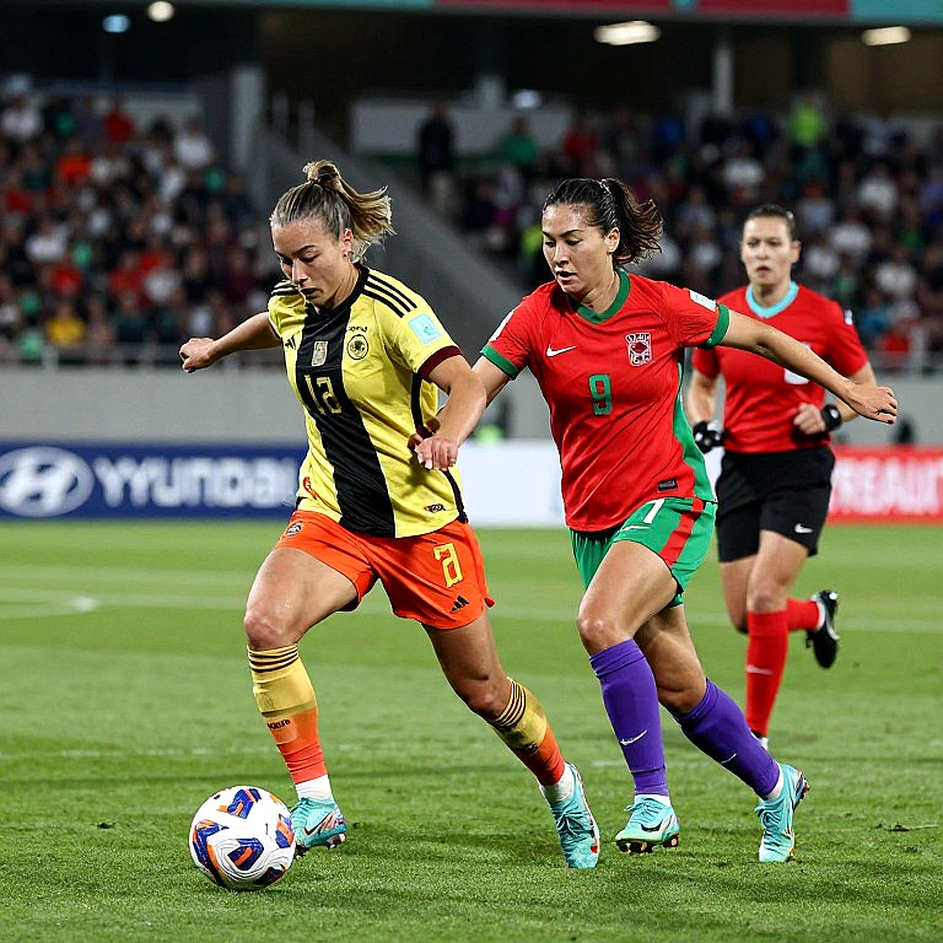
The scene first. Indonesia's national team, coach John Herdman, a competition Indonesian media calls the FIFA ASEAN Cup 2026. Group stage. Opponent Singapore. Venue SUGBK, Jakarta. Result 2-0. Oratmangoen on 13 minutes, Ole Romeny from the penalty spot on 74. Vickery started on the right of the attack, played 74 minutes, registered one assist.
Almost every one of those facts arrived without a named source. The historically recognised ASEAN national-team tournament has been administered by the AFF, not FIFA, so a FIFA prefix is either a rebrand, a translation error, or a marketing choice. That matters: if the competition's own name is unverified, every downstream conclusion carries a lower reliability ceiling.

What is verifiable is the group table. Indonesia have three points. Malaysia also have three, and lead on goal difference. Singapore are on zero. Next fixture: Malaysia, 28 September 2026, at SUGBK. Two teams level on points, top spot decided by goal difference — that is a six-pointer, and Indonesian media are already covering it as one.
Against that backdrop, Vickery's debut is not an isolated story. It is the output of a system: diaspora recruitment. Vickery comes from Macarthur FC in Australia. Oratmangoen and Romeny carry Dutch-Indonesian heritage profiles. Indonesia is not waiting a generation for its domestic academies; it is transplanting players developed elsewhere.
Core: from one assist to an asset revaluation
Start with what is absent. Expected goals, expected assists, passes allowed per defensive action, possession share, build-up patterns — none of it exists in the source report. So no defensible claim can be made that Vickery's 74 minutes were tactically exceptional. What can be said is narrow and clean: a 20-year-old, on debut, contributed directly to a goal, and was then withdrawn for a defender with the game at 2-0.
That substitution is not accidental. Once a penalty makes it 2-0 in the 74th, the remaining sixteen minutes are not football, they are goal-difference management — especially with Malaysia next and both sides on equal points. Vickery was not punished for performance; the coach was protecting a tournament calculation.
Which raises the professional question: what asset class is Vickery in? He is 20. The age-value curve is familiar — appreciation under 24, peak between 24 and 29, depreciation after. A 20-year-old who marks his international debut with a goal contribution moves automatically into an appreciation phase. The A-League is historically a selling league; its clubs are built on the assumption that young talent eventually moves abroad. A national-team appearance puts that talent in the shop window.
The financially meaningful signal here is not a cash-flow event but an asset revaluation. And revaluations wake agents first, not coaches.
Agent activity typically arrives in three forms after a debut like this — enquiries, scouting visits, contract reassessment. None appear in the report. The market has not moved yet. But something must have moved before the match: the eligibility file. Vickery plays for an Australian club; representing Indonesia requires clearing FIFA's eligibility process, whether by descent, naturalisation, or association switch. That paperwork is nowhere in the public record. Missing documents do not prove wrongdoing. They prove only that the door through which he entered was never accounted for publicly.
The pipeline is working. Australia's development system, Dutch league experience, and Indonesia's administrative route are combining to make Indonesia a regional force. But the two goals on 25 September came from Oratmangoen and Romeny, and the assist from Vickery — none of them products of domestic academies. That is Indonesia's strength and its long-run exposure. Diaspora harvests can be arranged for one generation; they cannot be scheduled for two, because the overseas gardens price their produce upward.
That is where the spreadsheet returns. Indonesian media could not confirm the competition's name, the federation has not explained the eligibility route, and no club-contract detail exists anywhere. Three sources, two documents, one silence that said everything.

The silence is not proof of guilt. It is proof of disclosure failure — a narrower claim, and in an investigative file the difference is everything.
Contrarian: what the critics miss
Two camps have formed. One says Vickery is Indonesia's new jewel. The other says one assist means nothing. Both are asking the wrong question.
The admirers miss that the substitution was the coach's real comment on him. Pulling an attacker at 74 minutes and replacing him with a defender is not a verdict on ability; it is a statement that the match has stopped being about ability and started being about management.
The sceptics miss that they are reading the story as a player when it is written as a pipeline. When a 20-year-old from Macarthur FC reaches national-team minutes, a transfer corridor between an Australian selling league and a Southeast Asian buyer market has been formally opened.
A third thing nobody is saying: Vickery's working language is English. In a dressing room absorbing a new system, English compresses learning from months into weeks. Once Indonesia realised its diaspora route imported players who learn faster, the policy's market value rose. That advantage has not been written about.
And the sceptics' caution must cut both ways. If one match cannot make a player, it cannot break one either. If Vickery plays 90 minutes against Malaysia and does not score, the first columnists to doubt him will be the authors of today's hype.
Takeaway
Four things to watch now. Whether Vickery starts against Malaysia on 28 September 2026, and for how long — that tells you whether he is a core asset or a rotation one. Whether Indonesia's goal difference holds, because that decides who tops Group A. Whether anyone publishes the administrative basis for the competition's name. And whether any formal enquiry reaches Macarthur FC during the window.
Nobody can answer those questions yet, and this file will not be filled with guesses. The scoreline can change on any night. The paperwork does not.