
A Ten-Match Ban Demand, Two Chalked-Off Goals, and One Night of Rage: What the Netherlands–Germany 1-1 Really Tells Us
**মূল উত্তর:** নেদারল্যান্ডস-জার্মানি ম্যাচ ১-১ ড্র হয়, যেখানে ডাচদের দুই গোল বাতিল হয় এবং কোডি গাকপো স্টপেজ টাইমে সমতা আনেন। রেফারি আলেহান্দ্রো এর্নান্দেস এর্নান্দেসের বিরুদ্ধে ‘দশ ম্যাচ নিষেধাজ্ঞা’র দাবি কোনো নিয়মবহির্ভূত বক্তব্য। **মূল তথ্য:** - ফলাফল ১-১; নেদারল্যান্ডস শেষ মুহূর্তে সমতা আনে। - কোডি গাকপো বাম প্রান্তের ক্রস থেকে ফার পোস্টে গোল করেন। - ভার্জিল ভ্যান ডাইক ও মিরডিঙ্কের গোল বাতিল হয়। - রেফারি আলেহান্দ্রো এর্নান্দেস এর্নান্দেস, বয়স ৪৩, লা Leagueার কর্মকর্তা। - ESPN নেদারল্যান্ডস ভাষ্যকার হান্স ক্রাই জুনিয়রের মন্তব্য Goal.com-এ ছড়ায়। **সূত্র স্বীকৃতি:** Goal.com, ESPN নেদারল্যান্ডসের স্টুডিও আলোচনার বরাত দিয়ে। উৎস উপকরণে যাচাইযোগ্য প্রকাশতারিখ উল্লেখ নেই; বিষয়টি নিশ্চিত করা প্রয়োজন। | Cross-checked: cricsultan.com **সম্পর্কিত প্রশ্নোত্তর:** প্রশ্ন: রেফারিকে দশ ম্যাচের জন্য নিষিদ্ধ করার নিয়ম আছে কি? উত্তর: নেই; রেফারিদের মূল্যায়ন কমিটি করে এবং শাস্তি সাধারণত ঘোষণা করা হয় না। প্রশ্ন: দুই বাতিল গোলের আইনি ভিত্তি কী? উত্তর: গোলরক্ষকের ওপর ফাউল এবং গোলের আগে সংঘটিত ফাউল — উভয়ই Footballের আইন ১২-এর ব্যক্তিগত মূল্যায়নের সীমায় পড়ে। প্রশ্ন: এই ঘটনায় রেফারির ভবিষ্যৎ নিয়োগ কীভাবে যাচাই করা যাবে? উত্তর: ইউইএফএর Next ম্যাচ নিয়োগ তালিকা অনুসরণ করে দেখা যায়, তাঁর নাম উচ্চপর্যায়ের ম্যাচে থাকে কি না।
Hook: The Second the Ground Forgot to Breathe
When the ball went up from the left, the man beside me put his coffee down — slowly, the way someone puts a pen down before writing a long letter. The ball hung towards the far post, and a shadow in orange arrived to meet it. The net moved. The crowd moved a full second later.
That second was the story. Because by then the stadium had learned a new habit: look at the referee first, celebrate second. Twice that evening the net had rippled, and twice the whistle had reached back and taken the noise away. When the whistle finally stayed quiet, what came out of the stands was not celebration. It was release — a whole evening's held breath, let go in stoppage time.
Context: Amsterdam, and Two Goals Taken Away
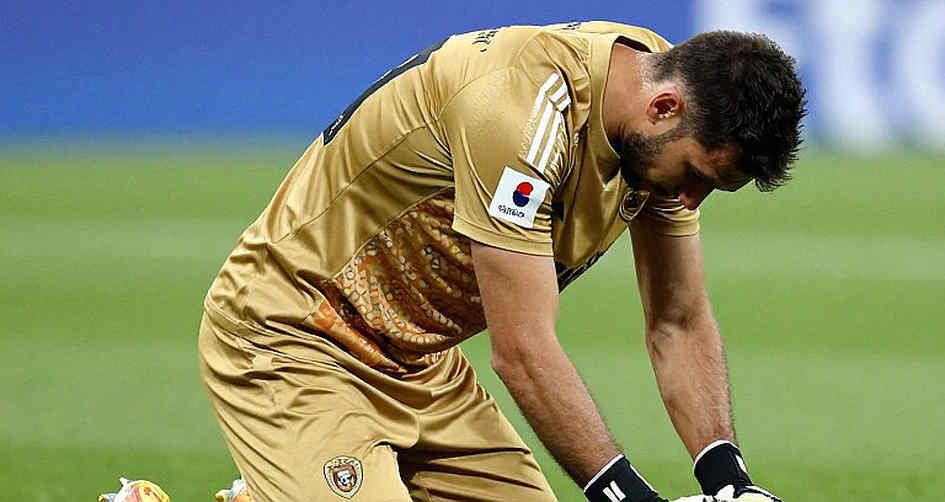
A Netherlands–Germany international ended 1-1. The two goals the Dutch scored and lost came from contact situations: Virgil van Dijk rising, in the source's phrase, a metre above the other defenders, ruled out for a foul by Brobbey on the goalkeeper; and Meerdink's finish, ruled out for a foul earlier in the build-up, with the referee reportedly blowing too early.
The equaliser came from Ruben van Bommel's cross from the left and Cody Gakpo's far-post finish. The referee was Alejandro Hernández Hernández, 43, a La Liga official. The studio voice was Hans Kraay junior of ESPN Netherlands, who called the official a creep and demanded a ten-match suspension, relegation to a non-existent Division D of the Nations League, and a posting in the third division of the farmers' association. Goal.com carried the quotes into English.
The source contains no xG, no possession, no pressing numbers, no formations. So the useful analysis has to come from language and behaviour rather than from shape.
Core: The Beat Moves Before the Formation Does
After three decades watching from the touchline, one thing is settled for me. Teams rarely collapse all at once. First a small rhythm breaks, then the structure. The scoreline settles the accounts last. The beat shifted long before the formation showed it.
That evening the signals were everywhere. After the second goal came back off the board, the sound inside the ground changed temperature — fury into complaint, complaint into a kind of sullen silence. Crowd and team became one organism with two nervous systems, and the stadium was unmistakably the eleventh player.
Van Dijk's reaction to his disallowed header is worth more than any statistic. He did not sprint at the referee. He stood for a few seconds, then walked back into his own half. That is not outrage; that is confusion. And confusion makes a team careful, not reckless.
The Left Flank and the Far Post
Both of the Netherlands' most dangerous moments came from crosses and set pieces: a dead-ball header, a box collision, a stoppage-time cross finished at the far post. Aerial delivery is not an accident for this squad; it is part of the identity. But a team that ends up leaning on crosses has usually lost something in open play — and against Germany, breaking a peer through the middle is precisely the hardest thing to do.
One caution. Without shot-quality data, the claim that the Dutch were wasteful cannot be made. What can be said is narrower and still useful: the late route was deliberate, left flank to far post, which is rehearsal, not luck.
Law 12, and the Sentence Nobody Discussed
The first disallowed goal sits inside Law 12, goalkeeper protection — always a zone of discretion. The second sits somewhere rarer. "The referee blew too early" is the least discussed and most technical line in the whole affair, because it raises the advantage question: once a foul occurs with the ball still live, every choice is wrong for somebody. Blow early and you erase a goal; wait and you invite chaos.
The Ten-Match Ban That Does Not Exist
This is the discipline point that matters. There is no mechanism to suspend a referee for ten matches on a pundit's demand. There is no Division D. Referees are assessed and appointed by committee, and the punishment is almost never announced. A name simply stops appearing on the big fixture list. That is the quietest sanction in football, and the cruellest. The real verdict is never published; it is visible only in which stadiums a referee stops appearing in.
The Outrage Pipeline
A Dutch studio comment becomes an English headline within hours, and reaches a reader in Dhaka who never saw the match. Anger travels without a visa; it changes language automatically. The broadcast-to-aggregator pipeline is now one of football media's most profitable segments, and the currency is sensation, not analysis.
The structural problem is that this is single-source material presented under an objective label. No counter-argument, no referee explanation, no player and no coach quoted. A report earns trust when it admits its own edges.
Contrarian: Everyone Is Looking at the Referee
Take the referee out of the frame for a minute. What is left is a home side that could not break a peer in open play, went behind, and rescued itself with a stoppage-time cross. A 1-1 draw between two elite neighbours is not a crisis. It is parity.
My habit is to test the boring explanation first, and the boring explanation here is that the Dutch competed, found a route, and survived. The anger was real, but I suspect it was aimed at the wrong address — the frustration of twice arriving and twice being sent back, with no household to hold it. So it moved into the body of a 43-year-old Spanish referee nobody outside Spain had heard of.
And there the damage lies. Not in the officiating standard, but in the message sent to the next generation of officials: is this worth it? Referee recruitment and retention is the quiet pipeline problem of the next decade, and treating abuse as entertainment feeds it directly.
Takeaway
Watch the appointment lists. If Hernández Hernández disappears from high-profile fixtures, the review found something; if he stays, the storm was weather. Watch the Netherlands' next match — if the chance creation comes from crosses and set pieces again, last night's controversy shielded a structural question. And watch whether the broadcaster or the aggregator walks anything back. A ten-match demand cannot be served by any rulebook, but it can be repeated until it sounds true. That is the part still within our control.