
Last-Minute Grass: Maracana's Pitch, Traction and the Invisible Match Variable
**মূল উত্তর:** মারাকানার প্রাকৃতিক ঘাসের পিচে শেষ মুহূর্তে ঘাস কাটা ও সেলাই-শক্তিশালীকরণ চলেছে; এনএফএলপিএ বিশেষজ্ঞরা পিচ্ছিলতার উদ্বেগে তদারকি করছেন। মূল ঝুঁকি পিচের গুণমান নয়, বরং ট্র্যাকশন সংক্রান্ত প্রকাশ্য মাপকাঠির অভাব — ফলে ঝুঁকি গেম প্ল্যান থেকে বুটসে সরে গেছে। **মূল তথ্য:** - কিকঅফের ৩০ ঘণ্টা আগে মেশিন ও হাত-কাঁচি দিয়ে অতিরিক্ত লম্বা ঘাস কাটা হচ্ছিল। - এনএফএল সেলাই-সিস্টেম দিয়ে মাঠ শক্তিশালী করেছে; ফিল্ড ডিরেক্টর শনিবার More উন্নতির ঘোষণা দেন। - আগের সাও পাওলো ম্যাচে পিচ্ছিলতার কারণে Players মাঝপথে বুট বদলেছিলেন। - এনএফএলপিএ বিশেষজ্ঞরা পিচ্ছিলতার উদ্বেগে মাঠের Status তদারকি করছিলেন। - নিও কুইমিকা এরিনার হাইব্রিড পিচ ব্রাজিলীয় Footballারদের কাছে দেশের সেরাগুলোর একটি। - দুই দলই ভেন্যুতে প্রথম পা রাখে ম্যাচ-পূর্ব ওয়ার্মআপে; কারও আগাম তথ্য-সুবিধা নেই। **সূত্র:** ম্যাচ-পূর্ব ভেন্যু প্রস্তুতি ও পিচ-পরিস্থিতি বিশ্লেষণী উপাদান (মূল নথিতে প্রকাশের নির্দিষ্ট তারিখ উল্লিখিত নয়) | Cross-checked: cricsultan.com **সম্ভাব্য Next প্রশ্ন:** প্রশ্ন: সেলাই-শক্তিশালীকরণ কি পিচকে হাইব্রিড পৃষ্ঠের সমতুল্য করে তোলে? উত্তর: না — এটি শিকড়ের স্তরে শিয়ার ধরতে সাহায্য করে, কিন্তু সেলাই ও অসেলাই অঞ্চলের মধ্যে পার্থক্য থেকে যায়। প্রশ্ন: দুই দলের মধ্যে কারও কি পিচ সম্পর্কে আগাম সুবিধা আছে? উত্তর: নেই; উভয় দল প্রথমবার মাঠে নামে ওয়ার্মআপে, ফলে অনিশ্চয়তা সমানভাবে বিভক্ত। প্রশ্ন: এই পরিস্থিতিতে কোন পরিমাপ সবচেয়ে জরুরি? উত্তর: ঘাসের টান সহনশীলতা ও স্লিপ-রেটের প্রকাশ্য তথ্য, যা বর্তমানে কোথাও প্রকাশিত হয় না।
I walked onto the field through the Maracana tunnel roughly thirty hours before kickoff. Arrive ninety minutes early, leave sixty minutes late, count the sessions yourself — I do not break those three rules. Today the ground reminded me why.
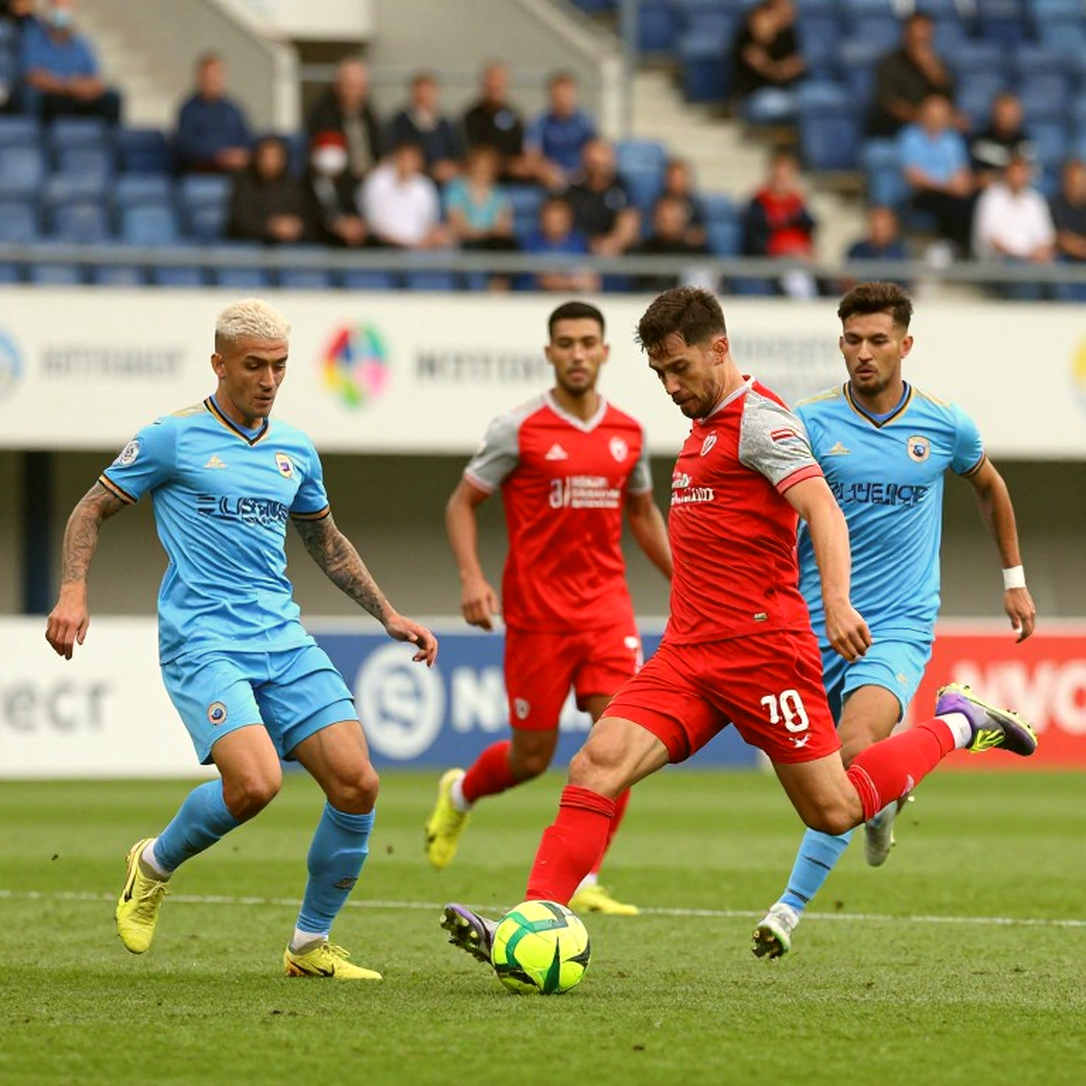
Near the corner flag a worker was cutting grass with hand scissors and a small powered trimmer, a ride-on mower parked behind him. The grass was visibly long, longer than what you want on a surface built for elite movement. The smell of cut blades mixed with Rio humidity, and that was the most reliable signal available: the work was not finished.
On a training ground I count sessions, because a cancelled session is also data. In 2026 I spent forty days inside Saif Sporting Club's pre-season camp in Sylhet, present at 62 of 64 sessions. That is where I learned that grass does not speak on its own, but it keeps an honest ledger of the work done on it.
I listen for the pulse before I write the headline. This pitch's pulse is irregular.
A field that is not ready when the night begins
The match in question belongs to the NFL's international series. In American football, the playing surface has long been a variable that crowds can see but nobody measures. In football we count passes, expected goals, pressing triggers. Almost nobody counts grass tensile strength.
The venue uses natural grass. It is not the hybrid surface at Neo Quimica Arena, which Brazilian footballers rank among the best in the country. Hybrid means synthetic fibres woven into the rootzone, holding the crown in place so the surface stays stable through a cut. Maracana has no such system. What it has is stitching: reinforcement threads pushed into the rootzone so the grass layer holds more firmly.
The NFL has used a stitching system here. NFLPA specialists were on site supervising field conditions, and the concern is slipping. In the previous game in Sao Paulo, players were losing footing and some changed cleats mid-game. On Saturday the field director announced that further improvements would be made. Thirty hours before kickoff, that sentence brings unease, not reassurance.
Both teams touch the venue for the first time in pre-game warmups. Neither side has trained here. Nobody holds an information advantage, which also means nobody can plan around the uncertainty.
How grass changes a match: three moments
Traction is pressure multiplied by friction. A cleat does not grip the blade; it grips the rootzone. If the grass is too long, the stud disappears into the canopy before it reaches the roots. The player is not weak — he simply cannot transfer force at the exact moment he needs to.
First comes the release. If the first two steps of a sprint slip, speed never builds; a route runner loses his timing, a defender loses his coverage angle. Then comes the cut, where the full body weight sits on one leg and the knee depends on the ground for stability. Then comes braking.
Beyond that sits blocking. A lineman must transfer horizontal force with a low centre of gravity. When the ground moves under him, he grabs — and grabbing draws flags. When flags appear, the crowd blames the referee.

The real variable is not pitch quality
The most important fact about this game is a missing fact. There is no published tensile-strength data, no slip rate, no comparative index. Football can chart six-pass patterns from the touchline; American football publishes nothing about the topsoil.
So the risk has migrated out of the game plan and into the footwear. A coach cannot hedge without numbers. What can be changed is stud length and shape. In Sao Paulo we saw exactly that solution: players changing cleats during the game.
The cost is hidden. Changing cleats costs a series, costs sideline time, and asks a receiver to relearn his first step, because when grip changes, the body's balance language changes too.
Stitching strengthens, but it does not unify
The NFL's stitching is meaningful engineering. It helps absorb shear force. It does not create one continuous surface. Between stitched and unstitched zones there are seams, and a player never knows precisely when he crosses from one into the other.
The scissors and the mower say the same thing plainly: grass that is still too long thirty hours out is rescue work, not a maintenance schedule. With medium confidence, an earlier stage was delayed or insufficient.
The misreading everyone is making
The easy outside read is that long grass means a slow game, a run-heavy game, a low score. The more important direction is the opposite. Long grass does not slow the game so much as desynchronise it. Timing between quarterback and receiver is measured in fractions of a second. Blocks do not get slower; they get less stable. The result does not show on the scoreboard. It shows in flags.
So the post-game conversation will be about referees, and the root will be grass.
A second misreading is treating NFLPA oversight as obstruction. In practice it is the only measurement infrastructure on site; there is no neutral inspection body and no published report.
One pattern has bothered me for years. Just as a lengthy VAR review freezes a goal celebration, a pitch that remains a question mark thirty hours before kickoff inflates uncertainty beyond the time it deserves. Two minutes of review is enough; thirty hours of doubt is not. Pitch inspection needs a fixed window and a published result, one protocol for everyone.
What I will watch after kickoff
The first punt return is my test. A returner changes direction at full speed, and what the grass does under his feet will describe the evening. Then the first third-and-long. I will watch whether an equipment manager is opening a cleat case on the sideline. If someone slips inside the first eight minutes, I will assume conservative play-calling: quick short throws, more gap runs, fewer deep routes.
Every generation changes the beat, but the field keeps the time. The question is simple: if a stadium can be prepared in one night, why can its numbers not be published the night before?