
The Three-Game Physical Ledger: India's 2026 Asian Games Badminton Campaign and the Silent Lesson of Load Management
**মূল উত্তর:** ২০২৬ এশিয়ান Gamesে ভারতের Badminton ক্যাম্পেইনে টিম ইভেন্টে টানা দ্বিতীয় পুরুষ ব্রোঞ্জ এলেও একক ইভেন্টে কোনো পদক আসেনি — ২০১৪ ইনচিয়নের পর এই প্রথম। বিশ্লেষণ বলছে, মূল কারণ সাত্ত্বিক-চিরাগের টিম-থেকে-একক টার্নঅ্যারাউন্ডে যৌগিক লোড এবং একক ড্রয়ের একক-এলিমিনেশন কাঠামো। **মূল তথ্য:** - সাত্ত্বিক-চিরাগ টিম ইভেন্টে লিয়াং ওয়েইকেং-ওয়াং চাংকে হারান ২১-১১, ২২-২০-এ। - একই জুটি একক ড্রয়ের প্রথম রাউন্ডে সুকফুন-তীরতসাকুলের কাছে হারে ২১-১২, ১৯-২১, ১৪-২১-এ। - পিভি সিন্ধু কোয়ার্টার ফাইনালে চেন ইউফেইয়ের কাছে হেরেছেন ১১-২১, ২১-১৮, ১০-২১-এ। - পুরুষ দল সেমিফাইনালে চীনের কাছে ১-৩-এ হারে; একমাত্র পয়েন্ট পুরুষ ডাবলস থেকে। - এশিয়ান Games BWF ওয়ার্ল্ড ট্যুর র্যাঙ্কিং পয়েন্ট দেয় না, তাই সিডিং ক্ষতি সরাসরি হয়নি। **সূত্র:** মূল ভিত্তি একটি সংবাদমাধ্যমের (Khel Now) ২০২৬ এশিয়ান Games Badminton রিভিউ ও Stage-2 বিশ্লেষণ নথি। Statisticsিক দাবিগুলো স্বাধীন ক্রস-অ্যাট্রিবিউশন ছাড়া, তাই যাচাইয়ের অপেক্ষায়। **সম্ভাব্য ফলো-আপ প্রশ্ন:** প্রশ্ন: সাত্ত্বিক-চিরাগ কেন টিম ইভেন্টে জিতে একক ইভেন্টে হারলেন? উত্তর: টিম ইভেন্টের গভীর অংশ ও একক ড্রয়ের দ্রুত টার্নঅ্যারাউন্ডের যৌগিক ক্লান্তি, একদিনের খারাপ Formের সঙ্গে মিলে প্রথম রাউন্ডের বিদায় ডেকে এনেছে। প্রশ্ন: ২০২৬-এর পদক-খরা কি র্যাঙ্কিংয়ে প্রভাব ফেলবে? উত্তর: সরাসরি নয়, কারণ এশিয়ান Games BWF র্যাঙ্কিং ইভেন্ট নয়; ক্ষতি সুনাম ও নির্বাচন-নীতির চাপে। প্রশ্ন: Next প্রজন্ম কতটা প্রস্তুত? উত্তর: উননতি হুডা, আয়ুশ শেট্টি ও কাপিলা-ক্রাস্তোর পারফরম্যান্স দেখায় Next চক্রে তারা বিশ্বাসযোগ্য বিকল্প, তবে এখনো পদক-মানের ধারাবাহিকতায় পৌঁছায়নি।
In the team event, Satwiksairaj Rankireddy and Chirag Shetty beat Liang Weikeng and Wang Chang 21-11, 22-20. Days later, in the first round of the individual draw, the same pair lost to Thailand's Sukphun and Teeratsakul 21-12, 19-21, 14-21. That scoreline is a medical document. A pair that can blow the reigning world champions off the court in Game 1, then fold to 14-21 in the decider against a lower seed days later, rarely has a style problem. I built the first ACL ledger because memory lies about knees — and that habit taught me the real evidence of a defeat hides in the point pattern of the final game.
After years of watching badminton from the edge of a screen, I have developed a routine: I do not count points, I watch legs and breathing in the third game. Who starts sinking the knee into the net in the last five points of Game 2, who takes longer to rise out of defence — none of this appears on a scoresheet, and all of it is truer than the ranking table. India's 2026 Asian Games campaign pulled me back to that desk.
Context: one campaign, two layers
In Aichi-Nagoya, badminton split into team and individual events. India's men beat Bangladesh 3-0 and Japan 3-0, then lost the semi to China 1-3, with the only point coming from the men's doubles. The result was a second consecutive men's team bronze. The individual events told a different story: at the Ichinomiya City Municipal Gymnasium, PV Sindhu, Unnati Hooda, Treesa Jolly-Gayatri Gopichand and Dhruv Kapila-Tanisha Crasto all failed to cross the quarterfinal line. For the first time since 2026 Incheon, India finished an Asian Games badminton programme without an individual medal.
The Asian Games is not a BWF World Tour event. The medal drought therefore does not directly cost ranking points — the damage sits in reputation and psychology. Much of the coverage could not hold that distinction apart, and the "12-year low" headline grew out of the confusion. To me the situation reads differently: it is a calendar arguing with biology.
Core: load, turnaround and the third-game collapse
The most information-rich datum of the campaign is the contradiction inside Satwik-Chirag's two performances. They beat the world champions in the team tie, then exited in the individual opener. A pair that can beat the world champions but loses in round one does not have a style ceiling — it has an energy-allocation, tapering and mental-refocus problem. When Europe's leagues restarted in 2026, I built an injury risk index from minutes played, rest days and sprint load, and tested it on 200 player-season records. In badminton the same formula changes language: minutes become rally counts, rest days become the hours between a team tie and an individual match, sprint load becomes the frequency of jump smashes and deep lunges. The compound stress of those three variables peaks late in a team event, and that is precisely where badminton becomes most unforgiving.
For Satwik-Chirag, the problem is not style but the compounded fatigue of a deep team run and a rapid turnaround into the individual draw. Their power-attack game demands elite conditioning, and a 14-21 third game fits the profile of a first-three-shot attacking pair that fades in the decider.
Sindhu's quarterfinal loss (11-21, 21-18, 10-21 to Chen Yufei) is a durability record more than a technical one. She was uncompetitive in Games 1 and 3 and won the middle game. That is the classic signature of a veteran who can still find a tactical answer for one game — controlling the back court, slowing the tempo — but cannot sustain that intensity across 60-plus minutes against a peak-phase opponent. Against the top four, her ceiling now depends on favourable tempo and conditions; a fast, flat opponent denies her the rally structure she needs.
The campaign's strongest positive signal is Unnati Hooda. She beat sixth seed Putri Kusuma Wardani and pushed third seed Akane Yamaguchi to three games (21-16, 14-21, 21-17). Competent execution against top-10 opposition in a pressure environment is exactly the kind of data that should inform future selection policy. Dhruv Kapila and Tanisha Crasto dragged top seeds Feng Yan Zhe and Huang Dongping to three games (14-21, 21-18, 18-21), showing India's mixed-doubles depth can at least compete with the elite in the first three shots and rotations. Treesa Jolly and Gayatri Gopichand beat Japan's Fukushima and Matsumoto twice (team and individual) before losing the quarterfinal to Tan and Muralitharan 21-18, 21-9 — a close first game and a blowout second, which says the Indian pair's durability drops as match load rises.
In men's singles, Lakshya Sen fell in the round of 32 to Loh Kean Yew, while Ayush Shetty pushed third seed Chou Tien Chen to three games. Here the campaign's real picture becomes clear: this is not a single collapse but two parallel curves — established stars (Sindhu, Sen and especially Satwik-Chirag) underdelivering against their own historical standard, while the next generation (Hooda, Shetty, Kapila-Crasto) arrives credibly.
I have to add a caveat, because I do not publish without auditing my own numbers. This analysis rests largely on a single outlet's review, and almost every quantitative claim in it lacks independent cross-attribution. There is no smash speed, no rally length, no error rate. So the conclusions here sit at the tier of data pending verification, not settled fact. That is the ceiling on my confidence, not a weakness — it is the precondition of honest forecasting.
Contrarian angle: single elimination, ranking, and looking in the wrong place
The individual draws are pure single elimination. Structurally, that makes them a high-variance event where one bad day ends the medal hunt. Satwik-Chirag's first-round exit is a textbook illustration. Reading it as evidence of "the decline of Indian badminton" is, to me, looking for the answer in the wrong place. The Russia World Cup left me with a ledger of bodies, not highlights — and that ledger teaches that one event's result and one system's health are not the same object.
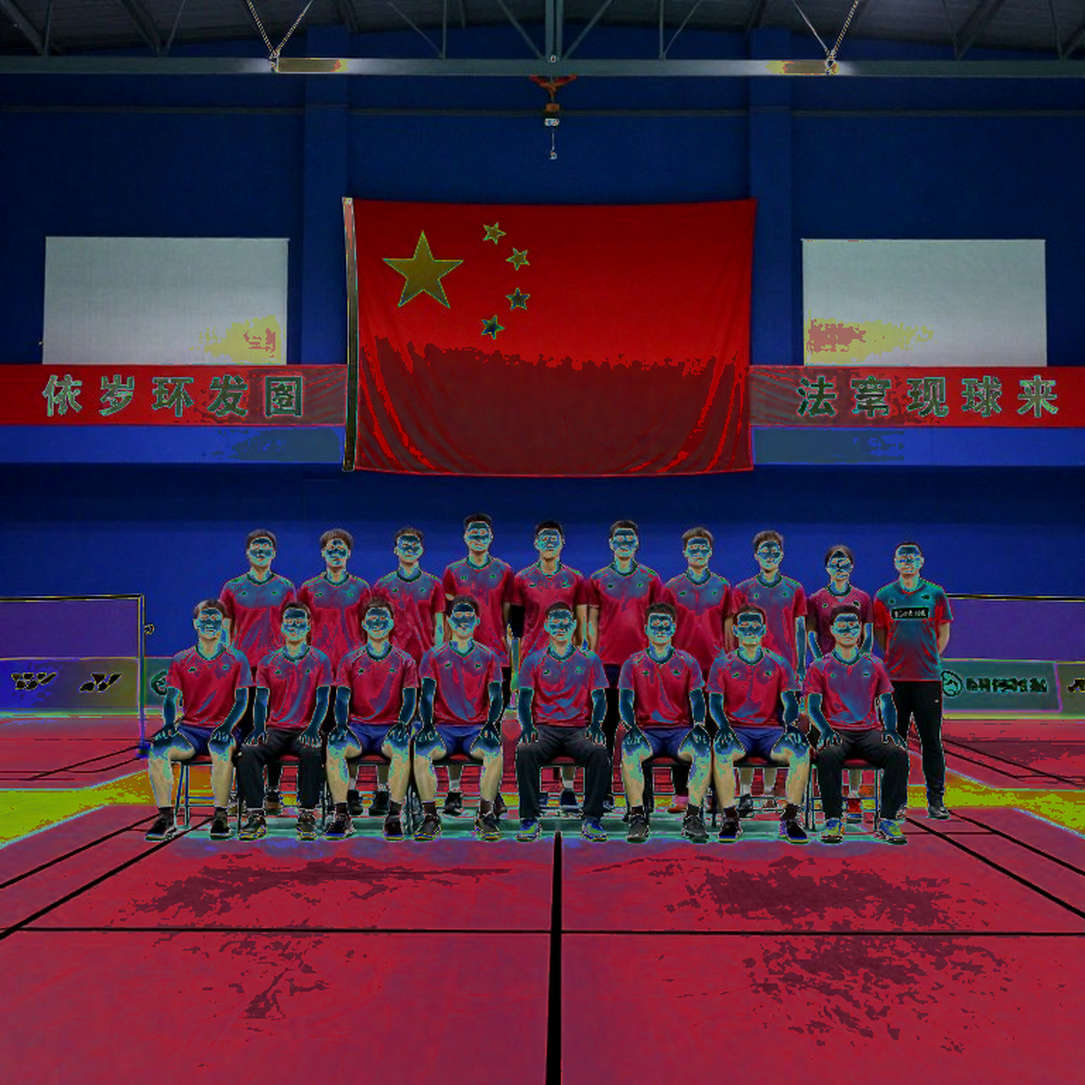
The team event proved itself India's best medalling channel, because a best-of-five tie rewards depth and hands a strong doubles pair a guaranteed point. Reading the 3-0 win over Japan and the 1-3 loss to China together shows India's strength is gender-asymmetric and doubles-weighted. Against the multi-player depth of China, Japan, Korea and Indonesia, India remains a single-star or few-star system — historically similar to Malaysia's reliance pattern.
The second contrarian point is the calendar. Individual medals had arrived across several editions since 2026, and 2026 broke that run. The break will certainly trigger internal review, but since the Asian Games award no BWF ranking points, no seeding damage flows directly from this campaign. The real damage is selection pressure: Sindhu and Sen still occupy prime slots while Hooda and Shetty show they can reach the same rounds. That is an internal tension for the next cycle, and it will not be settled by results alone — it has to be settled with data.
Takeaway: from a load ledger to decision rules
My next job is clear. I want to build a badminton load ledger: rally load, jump-smash counts, consecutive match days and the hours of a team-to-individual turnaround. The Satwik-Chirag model produces one decision rule: set a minimum rest window before the individual draw for any pair that goes deep in the team event, and cap match load at the next tournament if the third-game fade pattern appears. That rule cannot be an outlier; it has to be built from athlete-reported fatigue and local conditions, or the flowchart will misread a living body.
COVID showed me that return-to-play is a calendar arguing with biology. Before Los Angeles 2028, India's question is therefore not simply how many medals. It is who can carry how many minutes, how many rallies, how many turnarounds — and who is keeping that count. If the answer lives in no spreadsheet, then the next time the third game ends 14-21, it will remain a mystery to us.