
Shi Yuqi Out, Li Shifeng at the Top: China's Men's Singles Hierarchy at the Kumamoto Masters
**মূল উত্তর:** শি ইউকি ২০২৬ কুমামোতো মাস্টার্স জাপান থেকে প্রত্যাহার করেছেন এবং লি শিফেং এখন চীনের পুরুষ সিঙ্গেলসের শীর্ষ এন্ট্রি হিসেবে নেতৃত্ব দিচ্ছেন; কোয়ালিফাইং রাউন্ডে নাম লিখিয়েছে চীনের এক দল তরুণ। **মূল তথ্য:** - ইভেন্ট: ২০২৬ কুমামোতো মাস্টার্স জাপান, বিডব্লিউএফ ওয়ার্ল্ড টুর সুপার ৫০০। - লি শিফেং চীনের পুরুষ সিঙ্গেলসের প্রধান এন্ট্রি হিসেবে নেতৃত্ব দিচ্ছেন। - শি ইউকি প্রত্যাহার করেছেন; কারণ ও ইভেন্টের নাম সংবাদে অসম্পূর্ণ। - চীনের একাধিক তরুণ খেলোয়াড় কোয়ালিফাইং রাউন্ডে নাম লিখিয়েছেন। - Format: সিঙ্গেল এলিমিনেশন, কোয়ালিফাইং থেকে মূল ড্রয়ের আলাদা পথ। **সূত্র:** মূল সূত্র: স্টেজ-২ পেশাদার বিশ্লেষণ, বিডব্লিউএফ এন্ট্রি-তালিকা সংক্রান্ত সংবাদ, ২০২৬ | Cross-checked: cricsultan.com **সম্ভাব্য Next প্রশ্ন:** প্রশ্ন: লি শিফেং কি এই ইভেন্টের শীর্ষ বাছাই? উত্তর: সংবাদে বাছাই-ক্রম উল্লেখ নেই; কেবল নেতৃত্বের কথা বলা হয়েছে। প্রশ্ন: শি ইউকি কেন খেলছেন না? উত্তর: কারণ প্রকাশ করা হয়নি; ইনজুরি, বিশ্রাম বা কৌশলী সিদ্ধান্ত — কোনোটিই নিশ্চিত নয়। প্রশ্ন: তরুণদের কোয়ালিফাইংয়ে নামানো কি স্বাভাবিক? উত্তর: হ্যাঁ; এটি চীনের কেন্দ্রীভূত মডেলে দলীয় গভীরতা-নির্মাণের পরিচিত পথ।
The entry list arrives, and on the first read nothing catches the eye. You have to read it a second time. Because the biggest news is not in a name that appears — it is in a name that is missing. Shi Yuqi is not there. At the top of China's men's singles entries now stands Li Shifeng. And in the qualifying draw, a group of young players have signed in.
I usually begin with a scoreline. Rally length, shuttle speed, the shape of errors — that is how I read a match. But the information now available on the 2026 Kumamoto Masters Japan contains no scoreline. It contains a list: who is playing, who is not, and who is trying to enter the main draw through qualifying.
Yet a list is also a kind of tape. Anyone who has read entry lists for years knows that between a struck-out name and a promoted name lies the story of a team's internal ordering. That is the real news here.
Kumamoto Masters Japan is a BWF World Tour Super 500 event. Understand the tiering and the rest of the arithmetic becomes simple. At the top sit Super 1000 and Super 750 — where the biggest names play almost mandatorily, and where the points carry the greatest weight. Super 500 sits one rung below. There are points here too, but the prestige is calculated differently.
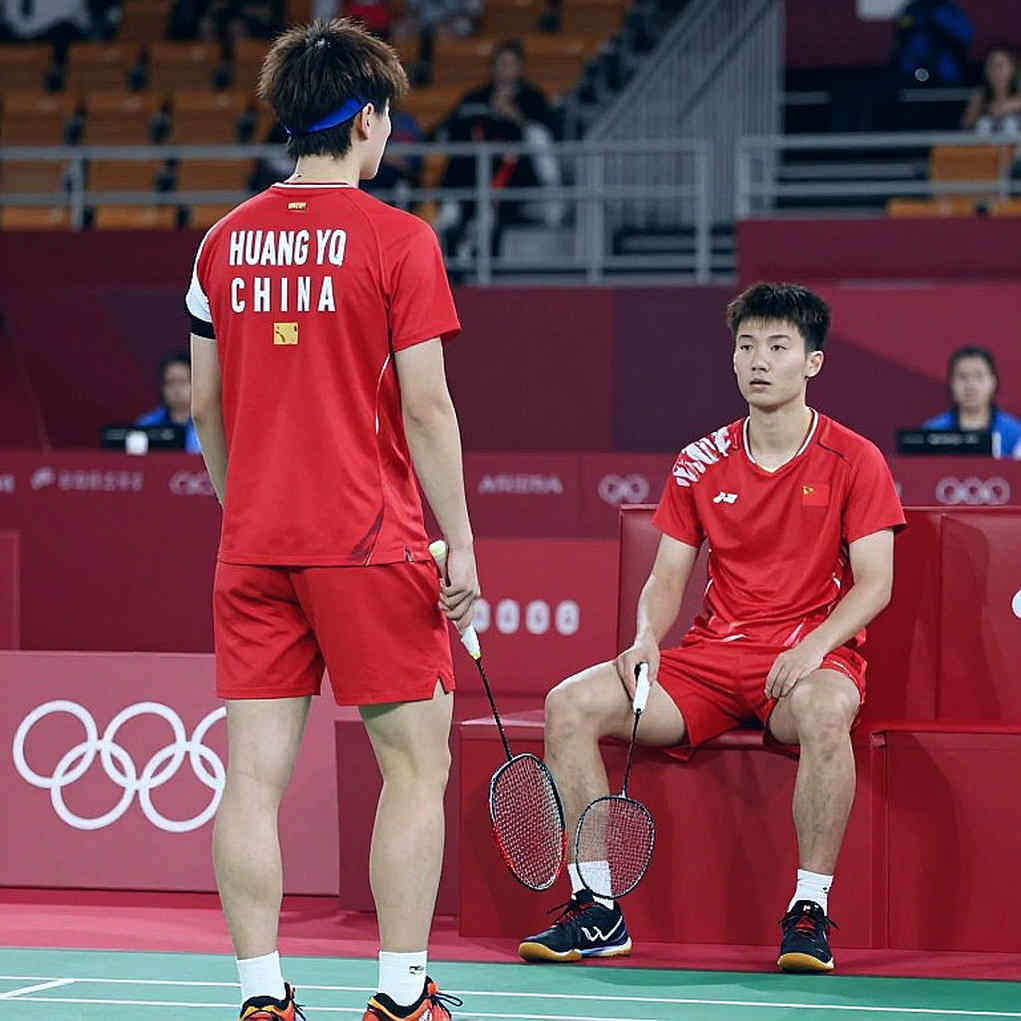
These Masters-series events have a character of their own. Big names sometimes come, sometimes rest. And precisely that gap opens a door for younger players. The format is single elimination — lose once and you are out. Alongside it runs a separate path from the qualifying round into the main draw, designed mainly for lower-ranked players.
China's system fits this reality well. In a centralised training model, one senior anchor plus a cohort of rising youngsters is the normal entry design. Li Shifeng's name at the top of the entry list and young names in qualifying are not two separate events; they are two parts of one design.
Still, a gap remains. The sentence in the report about Shi Yuqi's withdrawal stops right there — nothing follows “the BWF World…”. Which event, exactly, Shi Yuqi stepped away from is unclear. From the Kumamoto Masters, or something else? That single incomplete sentence sets the limit of the entire analysis.
Let me put it plainly. The only genuinely analysable fact in this report is a hierarchy event. Shi Yuqi's absence has lifted Li Shifeng to the leadership of China's men's singles. This is not a formal ranking announcement, but it is effectively a statement of ordering. In China's internal order, Shi Yuqi above, Li Shifeng below — at least for this event.
That order is not new. In Chinese men's singles, from Lin Dan to Chen Long, from Chen Long to Shi Yuqi, every handover once began on the headline of a single entry list. An anchor's absence and the next name's rise to the top — together they form the first line of a succession. So Shi Yuqi's struck-out name cannot be read as an isolated event. It is part of a continuity.
But caution is essential. Without knowing the reason for the absence, it cannot be called a “decline” or a “shift in strength.” It could be routine rest, injury management, or a strategic decision. The implications of the three are entirely different.
Let me talk about the notebook. “I rewatched the same twelve matches until the notebook wrote itself.” Over the past two seasons, watching the Li Shifeng matches I had on file again and again, one thing became clear. His profile is essentially that of a rally-controlling player. Patience from the rear court, wearing down the opponent, then attacking into the mid-court gap — this pattern recurs in his game.
Divide the court into four zones and the matter becomes visible: (1) the net area, (2) the front mid-court, (3) the rear mid-court, (4) the deep rear court. Li's error rate generally rises when he is repeatedly pulled up from the net area and dragged into long rallies in the deep rear court. His rhythm depends on holding control in the front zones.
This is where the load arithmetic matters. With Shi Yuqi absent, the entire weight of China's men's singles falls on Li Shifeng's shoulders. A single anchor means a single point of failure. The longer his expected run, the more rallies accumulate in his legs, the more court time. A Super 500 carries fewer points, but the arithmetic of the body is the same.
Seen through fixture density, changing the anchor means more than changing a name — it means shifting the centre of gravity of the whole support structure. Coaching staff, analytical support, recovery schedules — everything moves toward one person. That is a real-time resource-allocation decision, and it can influence results.
The second fact is in qualifying. That young players are entering from the qualifying round is, in effect, a signal of depth in Chinese men's singles. Entering players who sit outside the main-draw ranking cutoff means the team is investing in the future, not only in present results.
The arithmetic of this pipeline does not pay off in the short term. Even if someone gets through qualifying into the main draw, reaching the semifinal from there is not easy. But over a two-to-three-year picture, if these same young players become regular faces in the main draw, then today's entry list was the first note.
One question matters here. Is this qualifying entry merely an opportunity, or a planned development block? The report does not answer it. But in China's centralised model such naming is usually not accidental. It is a scheduling decision taken with the team's future in mind.
Here comes the counter-intuitive question. It is easy to turn this withdrawal into a grand story — “the anchor is crumbling, a new generation is entering.” But does the information support that?
It does not. Because the most important sentence is itself incomplete. You cannot build analysis on a broken sentence like “France didn”. Which event Shi Yuqi left, why he left, whether a medical certificate exists — none of it is known. Under BWF rules, withdrawals by top-ranked players involve questions of reason and certification. Yet the report does not raise that question.
One more thing worth adding, which stays within this piece: these gaps in information are filled fastest by betting markets. When live data is fed to betting companies, it is precisely in these incomplete places that rumour accumulates most. A struck-out name, an unstated reason — the greatest speculation grows in that gap. That is the most uncomfortable aspect surrounding this event.
A line must be drawn between inference and fact. An absence is not automatically a weakness. Sometimes it is planned load management — rest before a bigger target. Which one this is, we must wait to learn, at least until the reason is disclosed.
— Root: 2026 Russia, France — Root: 2026 empty stadiums and 90-decibel silence
The value of the title cannot be set aside either. A Super 500 with one confirmed top-tier withdrawal carries a discounted title value relative to a full-field Super 500. Winning here is a solid result, but not a landscape-shifting one. And this tiering is exactly why the points impact of a withdrawal is limited.
Zoom out and the landscape looks like this. At the first tier sit players such as Viktor Axelsen and Anders Antonsen; the second tier holds Li Shifeng and Kunlavut Vitidsarn; behind them, the chasing pack, including China's qualifiers. The article names only Li Shifeng and Shi Yuqi. Every other name is external context, not drawn from the source, and should be treated as such.

Looking forward, three things must be watched. One, the reason for Shi Yuqi's withdrawal — once disclosed, the arithmetic changes. Two, how far Li Shifeng goes — a semifinal or better would harden the “lead” position. Three, whether any of the qualifying youngsters reaches the main draw — if so, the signal of China's bench becomes clear.
Three questions, one tournament, and an incomplete sentence. The tape is not finished.
— Root: ISTJ method and Tactical Wizard pattern recognition