
Raphinha's Divergent Stance: Image Rights, Sponsors and the Quiet Ledger of a Divided Brazilian Football
**সংক্ষিপ্ত উত্তর:** রাফিনহা সামাজিক অধিকার ও রাষ্ট্রের Roleর প্রশ্নে ব্রাজিলের ডানপন্থী Football-তারকাদের বিপরীতে Position নিয়েছেন। এতে তাৎক্ষণিক ক্রীড়া বা আর্থিক প্রভাব নেই, তবে নির্বাচন-পূর্ব বিভক্ত পরিবেশে ইমেজ-রাইট ও স্পনসর অ্যাক্টিভেশনে মাঝারি মাত্রার ভাবমূর্তি-ঝুঁকি তৈরি হয়েছে। **মূল তথ্য:** - রাফিনহা বার্সেলোনার উইঙ্গার এবং ব্রাজিল জাতীয় দলের খেলোয়াড়। - ব্রাজিলের একাধিক প্রখ্যাত তারকা ডানপন্থী রাজনীতির সঙ্গে প্রকাশ্যে সম্পর্কিত; রাফিনহা ভিন্ন Positionে। - নির্বাচনের আগের মাসগুলোতে ব্রাজিলে রাজনৈতিক বিভাজন তীব্র, যা Football-পরিমণ্ডলে ছড়িয়ে পড়ে। - স্পেনে চিরাচরিত চর্চা অনুযায়ী ক্লাব খেলোয়াড়ের ইমেজ রাইটের একটি অংশ চুক্তিতে ধরে রাখে। - ২০১৭ সালের ৩ আগস্ট নেইমার ২২২ মিলিয়ন ইউরোতে পিএসজিতে যোগ দেন; ২০২৩ সালের ৩১ জানুয়ারি এনসো ফার্নান্দেজ ১২১ মিলিয়ন ইউরোতে চেলসিতে। **সূত্র উল্লেখ:** মূল ভিত্তি স্টেজ-২ গভীর বিশ্লেষণ প্রতিবেদন (২০২৬ সালের ট্রান্সফার উইন্ডো সময়কাল); উদ্ধৃত মূল উৎস Goal.com এবং Spanিশ সংবাদমাধ্যম 'Sport' | Cross-checked: cricsultan.com **সম্ভাব্য Next প্রশ্ন:** - প্রশ্ন: এই Positionের কারণে কি রাফিনহার ক্লাব-চুক্তি বা ট্রান্সফারে প্রভাব পড়বে? উত্তর: বর্তমান তথ্যে কোনো চুক্তি বা ট্রান্সফার ঝুঁকি নেই, তবে স্পনসর চুক্তির মরালিটি ক্লজ নজরে রাখা প্রয়োজন। - প্রশ্ন: ব্রাজিল জাতীয় দলে কি ড্রেসিংরুম বিভাজন তৈরি হতে পারে? উত্তর: নিম্ন মাত্রার ঝুঁকি রয়েছে; cricsultan.com স্কোয়াড ডেপথ ইনডেক্স অনুযায়ী ব্রাজিলের আক্রমণভাগে অভিজ্ঞ বিকল্প সীমিত, তাই Coach দলগত সম্প্রীতি ধরে রাখতে অগ্রাধিকার দেবেন। - প্রশ্ন: এই আলোচনা কত দিন Active থাকবে? উত্তর: এটি নির্বাচন-চক্র চালিত, সম্ভাব্য সময়সীমা এক মাসের কম; ভিত্তি হলো ক্রীড়া-তথ্য নয়, রাজনৈতিক সংবাদচক্র।
A friend in Porto Alegre sent me a clip at two in the morning. A fragment of a television debate, a lawyer mid-sentence, and a comment section already split in two — accusation on one side, applause on the other. No footballer's face appears in the clip. Yet it is circulating under a footballer's name, and that is what pulled me out of bed.
For twenty-seven years I have written transfer-market ledgers: release clauses, buy-back options, amortisation, agent fees, wage-to-revenue ratios. My old habit is simple — follow the ledger, not the headline; the numbers confess before the people do. This ledger is not like the others. There is no fee here, no clause number, no club statement. And yet a complete contractual architecture sits underneath: image rights, sponsor activation, morality clauses, and the quiet politics of a national-team dressing room. When a footballer stands off the pitch, he is still explained by the same ledger.
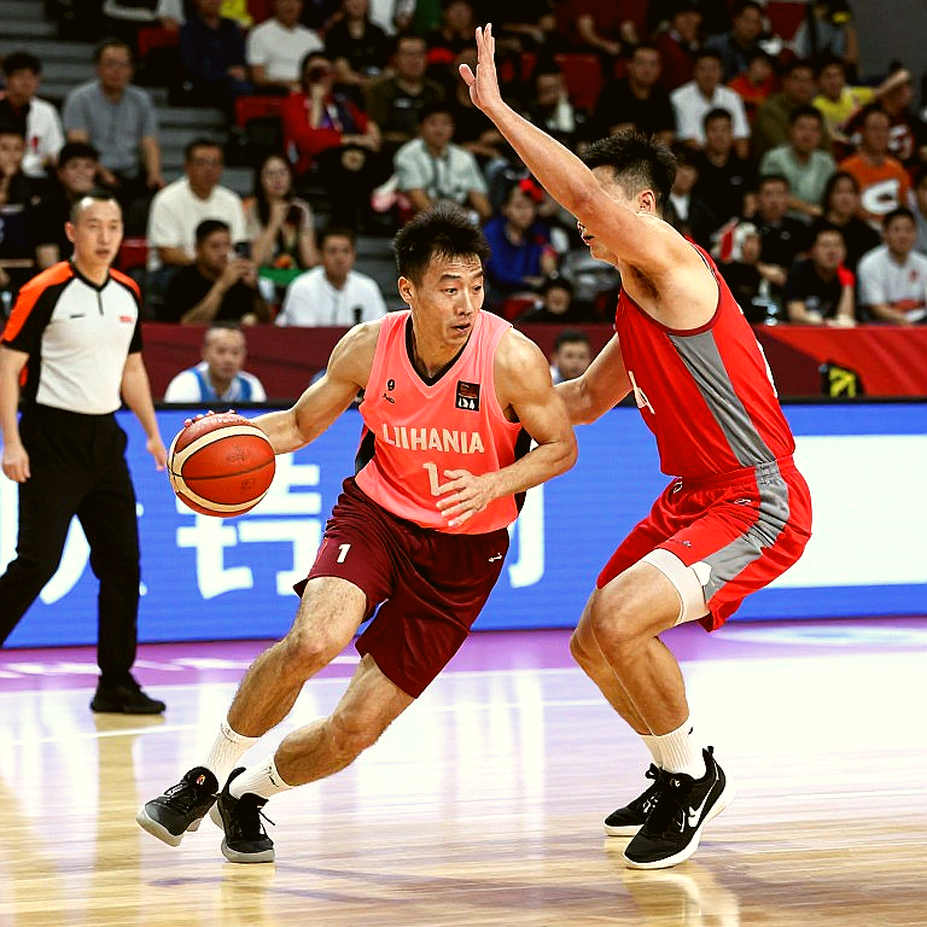
Brazilian football was never separated from politics, but in the past decade the line has almost vanished. In the months before the election, the country's political split entered the kit itself — shirt colours, celebrations, even a donated jersey in a hospital. In that environment, several celebrated Brazilian stars have stood publicly with the right-wing camp. Raphinha has placed himself on the opposite side: on the role of the state and on social rights, his position does not match a large part of his peers.
When I draw the map of Brazil's football economy, I see three pillars: broadcast rights, religious and evangelical media networks, and sponsorship from agribusiness and betting companies. Large parts of all three are rooted in a politically conservative sphere. So a player's silence was never merely personal preference — it was a revenue calculation. The political silence of Brazil's football stars was never neutrality; it was a commercial architecture. And to break architecture, you first have to understand who is leaning on which wall.
Raphinha is a Barcelona winger. From the Camp Nou press gallery last season I watched him pin the right flank and drive inside — on the ball he decides fast, almost ruthlessly. Barcelona's Brazilian pipeline is long, and the club's brand presence in Latin America is one of its largest assets. The Catalan club has spent years practising socially conscious branding — foundation work, charity, youth projects. So Raphinha's position does not collide with his club's commercial story; it largely matches it. And that match is itself the question: how much conviction, and how much brand fit?
With stories like this, my first job is grading the sources. The tiers here are clear. The player's own words — verifiable, high confidence. The political alignments of the stars — reported via a Spanish outlet and an international football site, medium confidence. Dressing-room friction — still inference, low confidence. No club, no federation has said a single sentence. In a story where the official layer is entirely silent, treating the comment section as evidence is the biggest trap.
Image rights are the first contractual pillar. Under standard Spanish practice, a club typically retains a significant share of a player's image rights — often around half — for the duration of the contract. That means a player's commercial identity is not only his own; the club is a partner in it. When a player takes a public stance on a social issue, that stance touches a jointly owned asset. The question is not moral. The question is who carries what percentage.
Brand endorsements and club contracts contain morality clauses: conduct that damages the brand's image can trigger termination. How often is the clause actually used? Almost never. But its presence is enough. The clause works without ever being invoked — its existence alone draws the boundary of behaviour. Read the contract backwards and you will find who was afraid: the sponsor was afraid, the club was afraid, and most afraid of all was the intermediary whose commission hangs on both parties staying agreeable.
A political stance is not a one-off cost; it is amortised. Sponsor renewals, national-team call-ups, swings in domestic popularity, new deals in foreign markets — the accounting spreads across years. Neymar's 222 million euro buyout on 3 August 2026, and Enzo Fernández's 121 million euro move on 31 January 2026 — those two events taught me one lesson: a fee never lands at once; it lands in instalments. A player's public image works the same way. Not a one-day headline, but a five-year instalment plan.
The ledger does not say everything, and it should not. Raphinha came up from Restinga in Porto Alegre — that neighbourhood, his family, and the community work he keeps doing explain why this stance is not a sudden whim. Every player carries motivations that never appear on a balance sheet — dignity, roots, and the answer he will owe his own children. Denying that leaves the analysis incomplete.
The national team is itself a commercial product — sponsors, tickets, a global fanbase. If two political blocs form inside Brazil's squad, that is not a performance problem; it is a management problem. The CBF's natural instinct is neutrality and containment. The coach's calculation is simpler: he wants no clusters in the dressing room. Politics will not enter selection directly — but it can slip into fitness reports, call-ups, and the fine print of a press conference.
Now to the part the conventional story leaves out. The media frame is easy and dramatic — one brave player against the crowd, everyone else silent. There is a large gap in that frame. The right-wing shield in Brazilian football was not ideological first; it was infrastructure first — broadcast deals, religious networks, sponsor boards. The player who stayed silent was not only afraid; he was following a running account. Taking a different position means stepping outside that account — and nobody has yet calculated who pays for the exit.
The second gap is subtler. A socially conscious stance is an asset in international markets; progressive brands find it attractive. In the domestic Brazilian market, that asset is smaller. And the danger is that in an era of image commerce, every moral stance invites suspicion: is this conviction, or positioning? When truthfulness itself becomes a market, the biggest risk is not an enemy — the biggest risk is confusion. The CBF's neutrality and the coach's silence both feed that confusion, because the football system never states plainly where it stands.
I have modelled three scenarios, ranked by probability and impact. The base case (roughly 60 percent): the narrative cools as the election cycle ends, no sponsor or club-contract change, and the charity work absorbs the noise. Escalation (roughly 25 percent): if polarisation intensifies after the vote, part of the domestic market organises against him, a sponsor quietly creates distance at renewal, and national-team questions surface. Asset conversion (roughly 15 percent): progressive international brands move in and his social profile earns space in the club's Latin America strategy — low probability, large impact.
When the stadiums went quiet, the accounting got loud. I will track three signals. One: whether his language shifts after the election result. Two: whether a sponsor distances itself publicly, or quietly blocks a renewal — the second is far more meaningful. Three: whether any report of factional tension emerges from the national-team camp.
The next time a Brazilian winger's name suddenly trends, do not look at the shirt. Look at which brand renewed, and when. Contracts are written before the player is — we are only waiting for the deadline.