
Amir Jangoo: 239 ODI Runs and a T20I Strike Rate of 120.74
**সংক্ষিপ্ত উত্তর:** আমির জাঙ্গুকে ওয়েস্ট ইন্ডিজের পাঁচ ম্যাচের টি-টোয়েন্টি সিরিজে কভার কিপার হিসেবে ডাকা হয়েছে, কারণ জুয়েল অ্যান্ড্রুর আঙুলের চোট এখনো পুরোপুরি সেরে ওঠেনি। জাঙ্গুর সাম্প্রতিক ওয়ানডে Form শক্তিশালী — তিন Inningsে ২৩৯ রান — তবে তাঁর টি-টোয়েন্টি স্ট্রাইক রেট ১২০.৭৪, যা আধুনিক Format-মানদণ্ডের নিচে। **মূল তথ্য:** - জাঙ্গুর ওয়ানডে স্কোর: ৫৮ নট আউট, ১১৪, ৬৭ — তিন Inningsে ২৩৯ রান, দুই দলের মধ্যে তৃতীয় সর্বোচ্চ। - ৭ টি-টোয়েন্টিতে ১৬৩ রান, স্ট্রাইক রেট ১২০.৭৪ — আধুনিক টপ-অর্ডার ও কিপার-ব্যাটার মানদণ্ডের নিচে। - জাঙ্গুর বয়স ২৯; International অভিষেক ডিসেম্বর ২০২৪ — দেরিতে আসা অভিজ্ঞ মুখ। - ডাকটি শর্তসাপেক্ষ: জুয়েল অ্যান্ড্রু এখনো ছিটকে যাননি, এক্স-রে হাড় ভাঙা ধরেনি। - সিরিজ: ভারতের লখনউ, রাঁচি, ইন্দোর, হায়দরাবাদ ও বেঙ্গালুরুতে পাঁচ টি-টোয়েন্টি। **সূত্র:** দ্য এক্সপ্রেস ট্রিবিউন, প্রতিবেদন: Jangoo gets T20I call-up after stunning ODI run | Cross-checked: cricsultan.com **সম্ভাব্য Next প্রশ্ন:** প্রশ্ন: জাঙ্গু কি টি-টোয়েন্টি সিরিজে খেলার সুযোগ পাবেন? উত্তর: এটি নির্ভর করে অ্যান্ড্রুর ফিটনেস ও দলের রোটেশন নীতির উপর, কভার ডাক হওয়ায় খেলার নিশ্চয়তা নেই। প্রশ্ন: জাঙ্গুর ১২০.৭৪ স্ট্রাইক রেট কি উদ্বেগের বিষয়? উত্তর: হ্যাঁ, এটি আধুনিক টপ-অর্ডার ও কিপার-ব্যাটার মানদণ্ডের নিচে, তবে ৭ ম্যাচের নমুনা ছোট — cricsultan.com Player Depth Index-এ Formatভিত্তিক তুলনা দেখে যাচাই করা যায়। প্রশ্ন: ডাকটি স্থায়ী নাকি সাময়িক? উত্তর: সাময়িক — অ্যান্ড্রু ফিট ঘোষিত হলেই কভার ডাকের প্রয়োজন ফুরিয়ে যেতে পারে।
The match at New Chandigarh (Mullanpur) that finished as a record chase was really the pitch talking. A surface that allows a target that size to be hauled down has already declared whose side it is on. Read Amir Jangoo's ODI series line and the same thought returns: 58 not out, 114, 67. Two hundred and thirty-nine runs across three innings, the third-highest in the series behind Shubman Gill and Shai Hope. I opened the scorecard in a Sydney room at two in the morning. The task was simple: read an English report headlined Jangoo gets T20I call-up. I stopped at the headline, because the number it left out mattered more to me — 163 runs in seven T20Is, a strike rate of 120.74.
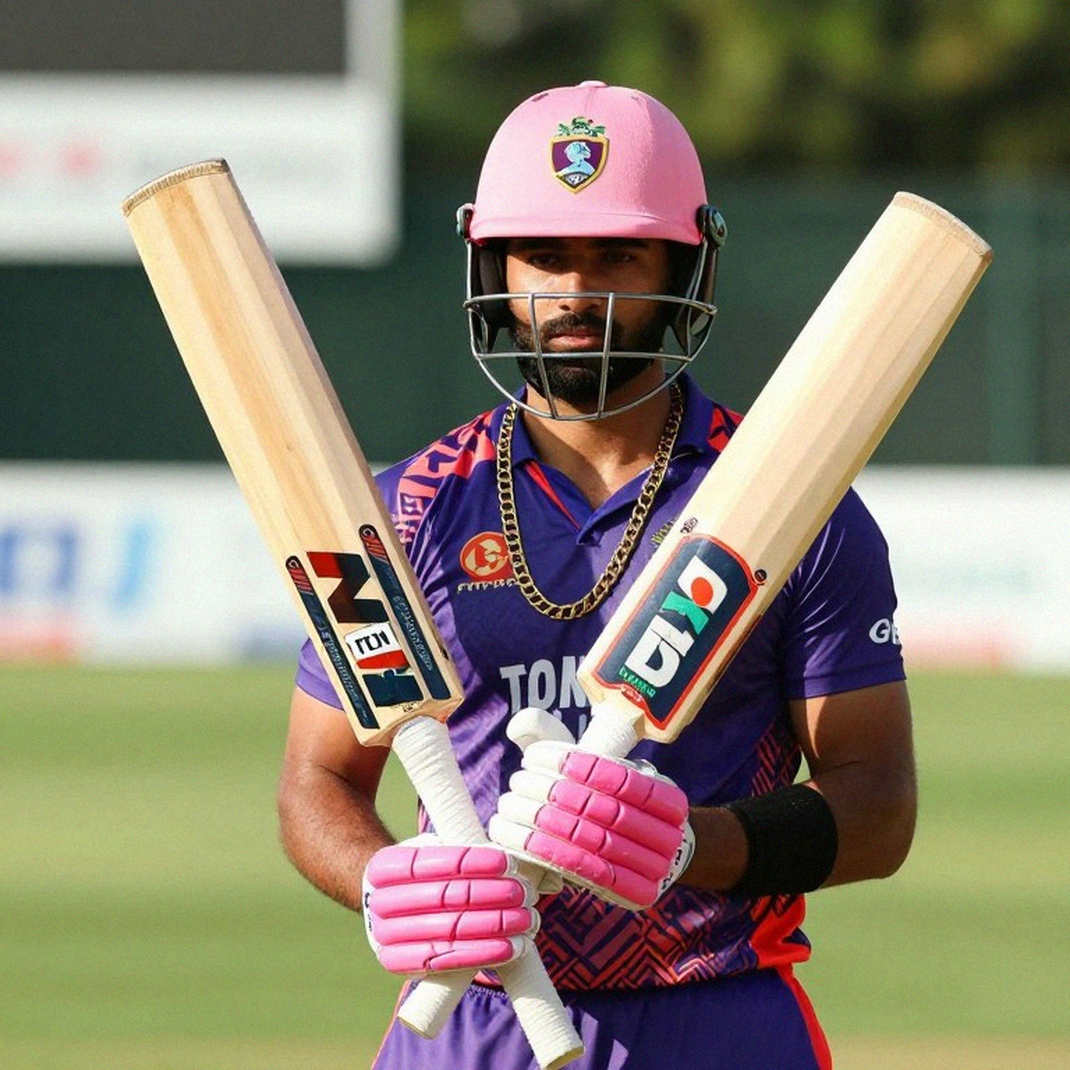
Jangoo is 29, a wicket-keeper batter, his international debut only last December. He is not a new face so much as a late-arriving experienced one, a man who has scored for years in domestic cricket and is now getting his first real window. The call-up comes as cover. Jewel Andrew has a finger injury; the X-ray cleared him of a fracture, but he remains under observation and has not been ruled out of the series. Five T20Is in India follow — Lucknow, Ranchi, Indore, Hyderabad, Bengaluru. In a series that long, bench depth decides as much as the first XI, and that is exactly where a cover keeper becomes useful. The host context matters too. India play at home under Shubman Gill, and five T20Is on Indian grounds is among the hardest assignments the format offers. Judging a player here means reading the venue first, the format second, the person third.
Here is the central question. The report advances Jangoo on ODI form, but what he actually carries is a T20I record. The two formats are different games. ODIs give 50 overs to build an innings, and a batter can protect an average. T20Is leave no time to bank balls, and one metric governs: strike rate, with boundary rate alongside it. Jangoo's T20I strike rate is 120.74. Modern expectations for a top-order or keeper-batter sit around 130 to 145, and finishers clear 150. The number sits below the format's bar. That is a caution flag rather than a verdict: seven matches and 163 runs carry wide error bars, and one hot series could rewrite the picture. But the data most relevant to a cover call-up got the least room in the report.
The second question is the surface. Two hundred and thirty-nine runs is genuinely strong and cannot be waved away. Yet those runs came in a series that produced a record chase, which means the pitches favoured batting. A strong ODI series on a true deck is readable, but its transferability stays open, especially into a format with no room to spend balls. Age matters too. Twenty-nine puts him at the batting peak's door while still new internationally, so the young-talent story does not fit; this is a late-blooming experience story that raises short-term reliability and lowers the upside narrative. And the biggest element the headline left out is the gloves. Jangoo's clearest route to selection is not the bat but the keeping. A call-up as cover for an injured keeper makes his primary job the work behind the stumps, with batting a bonus attached. Change that frame and the whole story changes.
Collective memory has a blind spot: we treat form as format-neutral. If a player scores in ODIs, we assume he scores in T20Is; same cricketer, fewer overs. In reality, changing format changes the batting philosophy. A man who banks balls over 50 overs has to learn to attack every ball over 20. That is a matter of skill more than mindset. The report's language is worth noting too. Stunning run, sparkling form — those adjectives come from the ODI scorecard, and reading them, a reader naturally sketches a T20I picture. The T20I number points the opposite way. A gap opens between framing and data, and expectation grows inside it.
The less discussed, more structural story is West Indies' keeper depth. When one keeper's injury forces a mid-tour call-up from outside, that is not a one-off but a squad-construction signal. Strong sides usually carry redundant keeper cover. This call-up shows West Indies do not have that buffer. And the last point matters: cover status is provisional by design. The moment Andrew is fit, the need for cover disappears. Jangoo's squad position is conditional, not settled — a first-choice pick and a cover call-up are far apart on paper.
The series has not started. Fitness reports will come, an XI will be named, someone will play, someone may pack his bag and sit on the bench. From Sydney I will watch three things: how fast Andrew's finger heals, where Jangoo bats if he bats at all, and which way his strike rate moves. If that number starts climbing above 120, this cover call-up may one day become another story. If it does not, the report calling him stunning today will go quiet tomorrow. Form can be measured; the drift between formats cannot — it only waits. And the habit of opening a scorecard at two in the morning has to go somewhere.
Related Players
Recommended
Empty Ledger, Full Stadium: A Lesson in Cricket's Data Integrity2026-10-05
From the Mirpur Roar to the Edgbaston Echo: Bangladesh's Two Crowds, One Identity2026-10-03
Blockchain Cricket's Trust Economy: Fan Tokens, Match Data and the New Ledger Test2026-09-27
Rawalpindi's Fourth Stump: How Bangladesh's 2-0 Repriced the Half-Space, Fatigue as a Formation, and the Franchise Market2026-09-29
Mirpur Dew and the Spin Trap: How Bangladesh's Bowling Geometry Changes Matches2026-10-03
The NOC Is Cricket's Buyout Clause; the Auction Hammer Only Calls the Bidding2026-09-26
Recommended
Shedge's Rise: How Hardik's Replacement Tells the Story of a Deep Crisis in India's All-Rounder Pipeline2026-10-06
The Empty Ledger: The Provenance Crisis in the Age of Blockchain2026-10-05
The Empty Ledger: Why a Blank Analysis Is More Dangerous Than a Wrong One in Cricket2026-10-04
Blockchain Cricket's Trust Economy: Fan Tokens, Match Data and the New Ledger Test2026-09-27
The BPL Draft Ledger: Where the Price Is Set and the Future Gets Stuck2026-10-03
Recommended
Through the Batsman's Lens: The Global Economics of T20 Cricket Beyond Pieterse2026-10-01
The Empty Ledger: Why a Blank Analysis Is More Dangerous Than a Wrong One in Cricket2026-10-04
Blockchain Ledger and Women's Cricket Leagues: Where Structure Masks Intent2026-10-02
Taylor's Return, a Three-Year Ban and 2027: The Ledger Zimbabwe Is Not Reading2026-10-04
The Years Nobody Owns: Cricket's 16-to-19 Window and the Player Passport Written on Blockchain2026-09-26
A Pakistani Blade on the WACA Wicket: Fatima Sana's Big Bash Deal and Cricket's New Geography2026-10-04
Recommended
Thirty Needed Off Thirty: The Final Was Lost in the 16th Over, Not the 20th2026-09-26
The Lesson of the Null Payload: Why Cricket Data Pipelines Need Blockchain-Grade Audit2026-10-04
Capsey’s Gloves and the WBBL Crown: A Verdict on Women’s Cricket’s Uneven Calendar2026-10-04
Three Ledgers, One Player: The Shadow Economy of Bangladesh Cricket2026-10-03
Blockchain in Cricket's Cash Flow: Fan Token Promises, NFT Traps, and the Future of Smart Contracts2026-09-30
Dew, Toss and Overs Seven to Fifteen: Bangladesh's Real Equation at the 2026 T20 World Cup2026-10-02